
Summary
Choosing between memory care vs assisted living depends on your loved one's cognitive needs, safety concerns, and daily functioning. Assisted Living works best for those needing help with physical tasks who can still navigate routines independently, while memory care provides specialized support for residents living with dementia.
- Assisted Living suits those requiring help with bathing, dressing, medications, and meals but who can follow routines and make choices with minimal redirection
- Memory care offers structured environments, trained staff, and security features for residents whose cognitive changes affect safety, judgment, or daily orientation
- The decision should focus on safety, current function, and quality of life—not diagnosis alone
- Consider memory care if wandering, medication confusion, frequent redirection, or unsafe decisions become ongoing concerns
- Tours and conversations with community staff can help clarify which level of support best matches your loved one's needs now and in the future
When a loved one needs more support, understanding memory care vs assisted living can help families make a thoughtful choice. Both settings can support older adults, but they are not the same. The right fit depends on safety, cognitive needs, daily routines, health changes, and how much structure your loved one needs to feel comfortable.
Assisted living supports residents who need help with daily tasks such as bathing, dressing, medication management, meals, and mobility. Memory care offers specialized dementia support for residents living with Alzheimer’s disease or another form of dementia. Knowing the difference between memory care and assisted living can help your family decide what level of support matches your loved one’s needs now and what may be needed later.
Understanding the Core Difference
The main difference between memory care and assisted living is the level of specialization. Assisted living is often the right fit for someone who needs help with physical tasks but remains generally aware of their surroundings, routines, and personal choices.
Memory care is more specialized. It supports residents living with dementia who may need a secure setting, structured routines, dementia-informed communication, and team members trained to respond to confusion, wandering, anxiety, or changes in behavior.
Families comparing dementia care options should look at:
Whether the person can safely move through their day without frequent redirection
Whether memory loss affects meals, medication, hygiene, safety, or judgment
Whether the environment needs added security, structure, and dementia-specific support
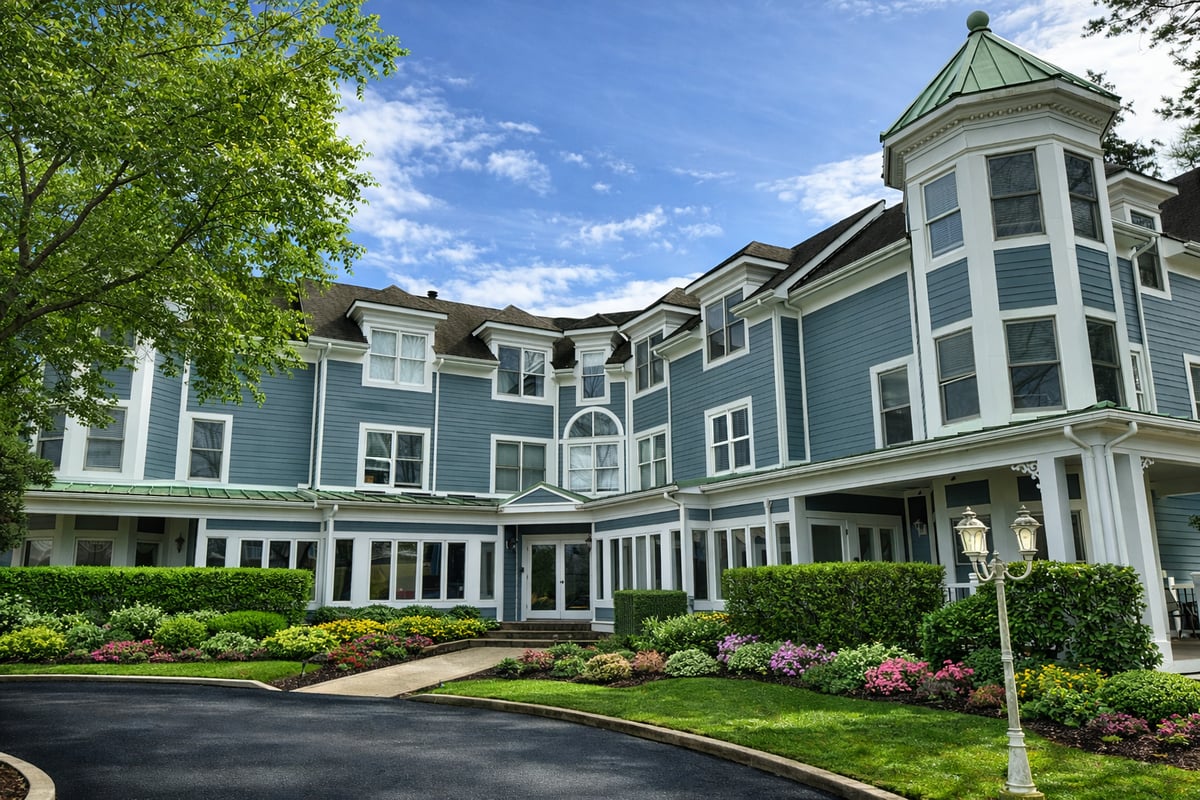
Seaton Towson offers Assisted Living in Towson, MD, with support for daily routines in a warm, familiar setting. For families whose loved one has more advanced dementia needs, comparing specialized memory care communities may also be an important part of the decision.
What assisted living Supports
Assisted living can be a strong fit when a loved one needs help with daily routines but still benefits from choice, social connection, and a more flexible schedule. Residents typically live in private apartment homes or suites and receive support based on their personal needs.
At Seaton Towson, residents can enjoy Assisted Living with chef-prepared meals, weekly housekeeping, scheduled transportation, and engaging daily programs. The community is located along York Road near Towson Town Center, the library district, Towson University, and familiar neighborhoods such as Parkville, Timonium, and Lutherville. This central location can make visits easier for local families.
Assisted living may be appropriate when a loved one:
Needs help with bathing, dressing, grooming, medication reminders, or mobility
Feels isolated at home and would benefit from meals, programs, and shared spaces
Can generally follow routines and move through the day without constant supervision
This level of support can help residents feel more comfortable while reducing the burden of home maintenance, meal preparation, transportation, and coordinating separate services.
What memory care Provides
Memory care is for residents whose cognitive changes require more focused support. Families may consider Alzheimer’s care communities when memory loss begins affecting daily safety, orientation, communication, or emotional well-being.
A strong memory care setting should offer more than a secure entrance. It should provide routines that feel familiar, team members trained in dementia communication, supportive dining, meaningful engagement, and a physical environment that helps reduce confusion.
Specialized dementia support may include structured schedules, safe walking areas, visual cues, calm common spaces, and programs that reflect each resident’s history and abilities. These details can help residents living with dementia feel more secure while giving families greater peace of mind.
When to Consider choosing memory care
Choosing memory care may become necessary when a loved one’s cognitive changes are no longer manageable in assisted living or at home. The decision is rarely based on a diagnosis alone. It is usually based on daily function, safety, and quality of life.
Families may want to explore memory care when they notice:
Wandering, exit-seeking, or getting lost in familiar places
Forgetting meals, medications, hygiene, appointments, or how to use everyday items
Increased confusion, anxiety, suspicion, agitation, or frequent need for redirection
Difficulty recognizing familiar people or understanding familiar surroundings
Unsafe cooking, missed bills, poor judgment, or repeated emergency concerns
Some residents with mild memory changes may do well in assisted living for a time. But if dementia begins affecting safety, comfort, or daily decision-making, a memory care level of support may be the better fit.
How Daily Life Differs
Daily life in assisted living is often more flexible. Residents may choose from dining, wellness programs, social events, local outings, and quiet time in their apartment homes. Seaton Towson offers restaurant-style dining, seasonal menus shaped by resident input, scheduled transportation, and refreshed common spaces that support connection and comfort.
In memory care, daily routines are usually more structured. Programs are often adapted to cognitive ability, energy level, and personal history. A resident living with dementia may benefit from familiar cues, smaller group settings, music, sensory experiences, or one-on-one support.
The best choice depends on how your loved one experiences the day. If too much freedom creates confusion or risk, memory care may offer helpful structure. If your loved one primarily needs support with physical tasks and still enjoys a flexible routine, assisted living may be enough.
Questions to Ask During a Tour
Touring can help families compare memory care vs assisted living more clearly. Ask practical questions and pay attention to how the environment feels.
Helpful questions include:
What daily support is available, and how are changing needs assessed?
How does the team support residents with mild memory changes?
What happens if a resident begins needing specialized dementia support?
How are families updated about changes in routine, health, or behavior?
What services are included in the monthly fee, and what may cost extra?
At Seaton Towson, team members can help families understand Assisted Living services, apartment options, pricing, and daily life in the community. If your loved one’s needs point toward memory care, those conversations can also clarify what to look for in a more specialized setting.
FAQ: memory care vs assisted living
What Is the Main Difference Between memory care and assisted living?
Assisted living supports daily routines such as bathing, dressing, meals, mobility, and medication management. Memory care provides specialized dementia support, structure, and security for residents living with Alzheimer’s disease or other forms of dementia.
Can Someone with Dementia Live in assisted living?
Sometimes. If memory changes are mild and safety is not a major concern, assisted living may work for a period of time. If wandering, confusion, or frequent redirection become concerns, memory care may be more appropriate.
Does Seaton Towson Offer memory care?
Seaton Towson currently focuses on Assisted Living in Towson, MD. Families can tour the community to understand assisted living support and compare whether it meets their loved one’s current needs.
How Do Families Decide Which Option Is Best?
Start with safety, daily function, cognitive changes, and support needs. A physician, senior living assessment, and community tour can help families compare options more clearly.
Choose the Support That Fits Today and Tomorrow
Understanding memory care vs assisted living helps families choose support with greater confidence. Assisted living may be the right fit when a loved one needs help with daily routines while still benefiting from flexibility, privacy, and social connection. Memory care may be needed when dementia affects safety, judgment, or the ability to move through the day with comfort.
At Seaton Towson, families can explore Assisted Living in a welcoming Towson community with chef-prepared dining, housekeeping, scheduled transportation, refreshed common spaces, and support with daily routines.
Schedule a personal tour of Seaton Towson to explore Assisted Living, floor plans, pricing, and senior living support in Towson, MD.